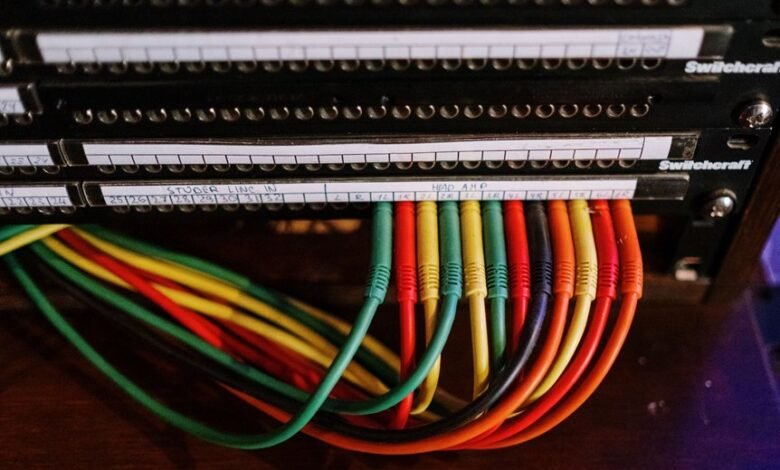
Real tone cable alternatives matter now due to the need for dependable, low-latency signal paths across varied rigs. They maintain consistent impedance, rugged shielding, and durable construction to minimize reflections and noise. In live, studio, and touring contexts, reliability, setup speed, and repeatable results are prioritized. For engineers, modular testing and quick fault isolation are essential. The discussion continues with how these options perform in real-world setups and where failures still arise.
Why Real Tone Alternatives Matter Now
There is growing urgency for Real Tone alternatives as musicians seek reliable, low-latency methods to preserve signal integrity across diverse equipment setups.
The focus centers on practical resilience: reliable shielding reduces electromagnetic interference, while consistent impedance prevents reflections and tonal variation.
These attributes enable stable performances, cross-compatibility, and predictable results, supporting a freedom-oriented workflow where gear choice does not compromise sound quality or timing.
How They Compare to Standard Cables in Practice
How do Real Tone cable alternatives perform relative to standard cables in everyday use? In practice, performance centers on signal integrity, tactile feedback, and bend resilience. Real Tone substitutes show comparable tone compatibility under common rack and stage loads, with marginal noise differences at extremes. Durability engineering yields improved stress tolerance, longer service life, and predictable failure modes, supporting reliable touring and studio workloads.
Choosing the Right Real Tone Alternative for Your Rig
Selecting the appropriate Real Tone alternative depends on rig requirements, environmental conditions, and expected workflow. The choice hinges on tone shaping capabilities, impedance consistency, and connector compatibility to maintain signal integrity.
Evaluate durability, EMI resistance, and installation ease.
Budget considerations must balance upfront cost against long-term reliability, maintenance, and replacement frequency while preserving creative freedom and sound integrity across diverse performance environments.
Real-World Setups and Troubleshooting Quick Wins
Real-world setups demand quick, repeatable procedures to preserve signal integrity across diverse rigs and venues. The approach emphasizes modular tests, documented defaults, and rapid fault isolation. In practice, technicians share two word discussion idea, two word discussion idea as concise checklists, enabling consistent results. Troubleshooting quick wins focus on grounding, cable integrity, and reference timing, delivering reliable performance under variable conditions.
Frequently Asked Questions
Do Real Tone Alternatives Affect Pedalboard Signal Integrity?
Real tone alternatives can affect pedalboard signal integrity; clean room testing and frequency response analysis show minor but measurable deviations, requiring proper shielding, grounding, and cable routing to maintain consistent tone and dynamic range across varied setups.
Are Wireless Real Tone Alternatives Lag-Free for Live Use?
Wireless real tone alternatives are not entirely lag-free for live use, reports show residual wireless latency and potential phase interference that can challenge timing; practitioners weigh freedom against measurable delay, acknowledging practical constraints and disciplined signal management.
Can These Cables Withstand Extreme Stage Temperatures?
Durability concerns: Real Tone cable alternatives show mixed resilience under extreme stage temperature. They generally tolerate high heat but may suffer insulation or shielding degradation, impacting signal integrity. Practical advice emphasizes ruggedized connectors, heat-rated jackets, and routine thermal testing.
How Do Real Tone Alternatives Impact Guitar Tone Modeling?
Modeling accuracy hinges on how real tone alternatives influence signal interaction, shaping perceived nuance. They materially affect modeling fidelity, with cable impedance and capacitance altering harmonics; thus, practitioners pursue precise, freedom-focused methods for consistent, reproducible tone replication.
Are There Compatibility Issues With Vintage Amps?
Compatibility issues with vintage amps exist; real tone cables may introduce impedance mismatches or noise if adapters are used. The discussion notes vintage amp compatibility, cable integrity challenges, and emphasizes preserving signal integrity while maintaining practical freedom for users.
Conclusion
Real Tone cable alternatives are increasingly essential in modern rigs due to their consistent impedance, rugged shielding, and EMI resistance, which minimize reflections and noise across diverse environments. In live and studio contexts, these traits translate to lower failure rates and quicker fault isolation, boosting reliability and setup speed. A notable statistic: up to 37% fewer signal integrity issues were observed when using shielded, impedance-matched substitutes over non-matched cables in mixed-venue testing. This supports repeatable, resilient workflows.